Green Bay has been around for a long time. And we mean a looooong time.
French explorer and fur trader Jean Nicolet arrived in the area in 1634, making it one of the oldest European settlements in what is now the United States. Nearly 400 years later, traces of that history are still all around us if you know where to look.
Luckily, you can easily explore the area’s history with the Brown County History Trail. This collection of local landmarks, longtime businesses, and historic buildings offers a chance to explore the stories that helped shape our community. Some stops might look familiar, while others may surprise you with a little backstory you never knew.
After all, the best local history lessons don’t always happen in a museum (although we’ve got plenty of those, too). Sometimes, they happen over a burger, beneath a theater marquee, or inside a building that’s been standing since before Wisconsin was even a state.
Ready to take a little trip through the past? Let’s hit the trail.
Get Your Free Brown County History Trail Pass
First, grab your pass! This free digital pass makes it easy to discover more than 100 historic sites throughout Brown County. You can explore iconic landmarks, historic buildings, and more at your own pace, check in at stops along the way, and keep track of your progress.
Getting started is easy:
- Get your free pass. Sign up to access the History Trail.
- Check your phone or email. Your pass arrives by text and email, giving you access to more than 100 locations, searchable categories, and a map to help you plan your route.
- Hit the trail! Visit the sites that catch your eye and check in as you go.
Want to go analog? You can also pick up a printed History Trail guide, produced by the Green Bay Press-Gazette and available at locations throughout Brown County.
Ready for a sneak peek? Here are a few buildings and structures that show just how much has changed around here—and just how much hasn’t!
Tank Cottage
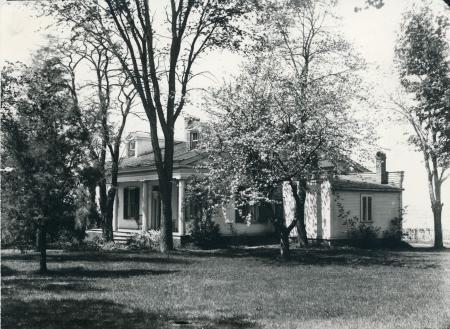
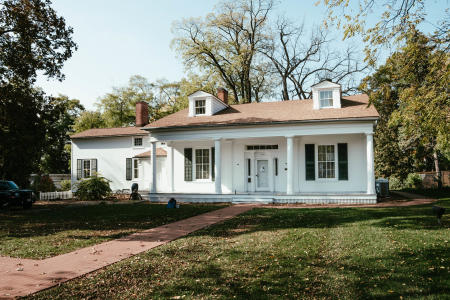
Built around 1800 by fur trader Joseph Roi, the Roi-Porlier-Tank Cottage is considered one of Wisconsin’s oldest buildings. Its distinctive construction technique, known as pièce-sur-pièce à coulisse, dates back to the days when the fur trade helped shape life along the Fox River.
The cottage later served as a British headquarters during the War of 1812, and it’s had quite the journey since then. Originally located on 8th Street, it was moved to Tank Park in 1908 before making another move to Heritage Hill State Historical Park in 1976, where you can visit it today.
Hazelwood House
Built in 1837 for Morgan Lewis Martin, a territorial legislator and key player in drafting Wisconsin’s constitution, Hazelwood House is one of Brown County’s earliest homes still standing on its original site. The house eventually became a museum, and its final occupants, Otto and Caroline Tank, left behind an impressive collection of European furnishings that remain on display. Step inside, and you’ll get a glimpse of what home life looked like nearly two centuries ago.
Chicago & North Western Depot
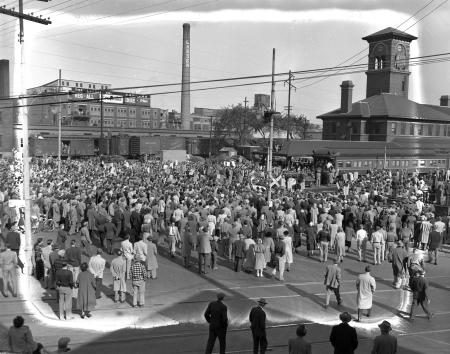
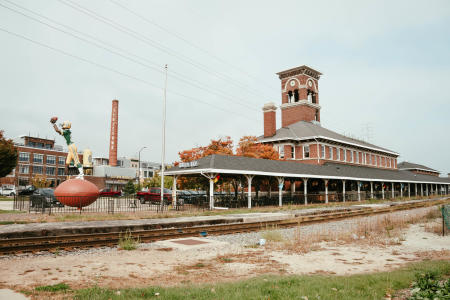
Built in 1898, this striking red-brick depot once welcomed travelers arriving in Green Bay by train. With its Italianate architecture and old-school charm, it’s a reminder of the days when rail travel was a big part of how people explored the country. Today, the historic building lives on as The Depot, giving visitors a chance to experience a little of Green Bay’s railroad past. While you’re there, check out another local landmark nearby: the Receiver Statue, part of the Packers Heritage Trail.
Al’s Hamburger
Some things never go out of style, and a good burger is one of them. Al’s Hamburger has been serving burgers and malts since the 1930s, right in its original downtown Green Bay location on Washington Street. With its retro diner atmosphere, Al’s feels like stepping into another era. Order a shake, grab a couple of straws, and enjoy a little taste of old-school Green Bay.
The Tarlton Theatre
When the West Theater opened in 1925, audiences came for vaudeville performances and early motion pictures. Today, the beautifully preserved Art Deco landmark is known as the Tarlton Theatre, where original architectural details meet a lively calendar of modern programming.
Hotel Northland
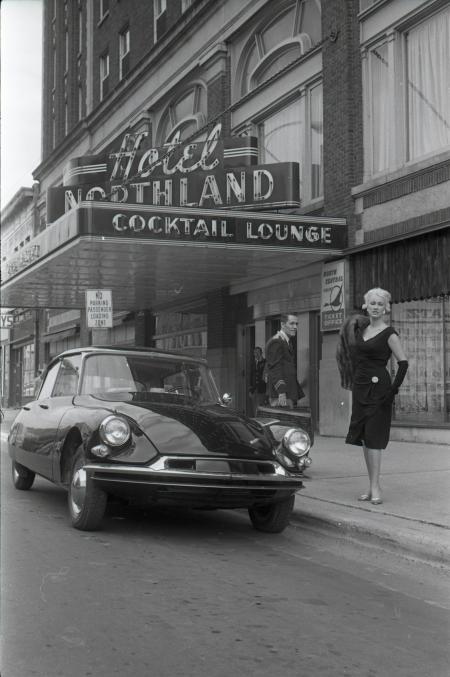
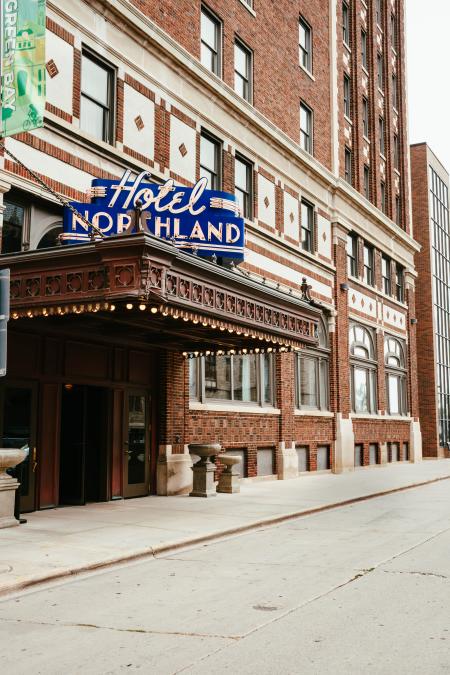
When Hotel Northland opened on March 21st, 1924, it was the largest hotel in Wisconsin. Over the decades, it welcomed presidents, celebrities, and Packers legends, and even served as Packers headquarters for a time.
After an extensive restoration, the hotel has reclaimed its place as one of downtown Green Bay’s most impressive landmarks. Original details, including the front desk’s mail and key slots, have been carefully preserved, bringing a little 1920s elegance into the present day.
Bellin Building
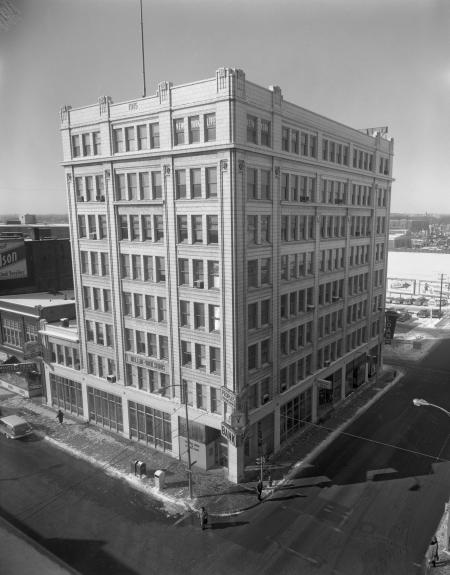
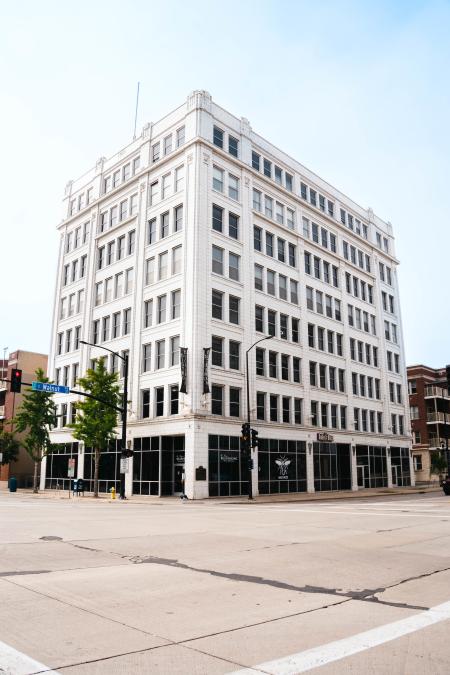
Built in 1915, the Bellin Building brought a new architectural style to the area as Green Bay’s first example of Chicago-style architecture. Physician and surgeon Dr. Julius Bellin built the property to house offices for doctors, dentists, and other medical professionals, and he owned it for nearly six decades. But one of the building’s coolest features is tucked inside: a manually operated elevator installed in 1947—one of only a few of its kind still around in the United States!
Eddie Whipp’s Dining Hall
Eddie Whipp’s Dining Hall has quite the backstory. The building began as Saint Cyril and Methodius Church in the 1800s, later served as a horse stable, and was eventually moved closer to what is now Highway 29 on large logs, with a little help from some workhorses.
In 1922, Joe (Wypizinski) Whipp opened a tavern in the former church, where local farmers often stopped for a drink on their way home from the feed mill. More than 100 years later, you’ll find Fish Fry Fridays, an event venue, and an enduring family vibe.
Suster’s Tavern
Suster’s Tavern has been part of Green Bay area life since the early 1900s, with generations of family ownership keeping the neighborhood tradition alive. From 1963 to 2013, the tavern had its own bowling lanes, where locals could lace up a pair of bowling shoes and roll a few frames on evenings and weekends. While the lanes are gone, the old-school tavern atmosphere remains. Today, Suster’s is still a favorite gathering spot, especially on Fridays, when its beloved fish fry brings locals and visitors together.
Riverside Ballroom
Built in 1936, Riverside Ballroom has hosted everything from weddings and community events to concerts and even boxing matches. Its beautiful arched wooden ceiling and classic Art Moderne design make it a standout, but its musical history is especially memorable.
In 1959, Riverside was one of the final stops on the Winter Dance Party tour featuring Buddy Holly, Ritchie Valens, and The Big Bopper, just days before their tragic deaths. The three musicians even grabbed a bite at Kroll’s West during their visit.
Lambeau Field
You didn’t think we’d forgotten Lambeau, did you? Lambeau Field has been home to the Green Bay Packers for nearly 70 years, making it the oldest continually operating NFL stadium. It replaced the team’s original home at East High School and was the first stadium built specifically for a professional football team rather than shared with a baseball team. Today, Lambeau Field is so much more than a place to watch football. It’s a landmark that holds generations of Green Bay memories.
Your Next Adventure Is a Little Piece of History
These are just a handful of the stories waiting to be discovered across Brown County. Get your free Brown County History Trail pass, pick a few stops, and start exploring. You might discover a place you’ve driven past a hundred times without knowing its story, or find a new favorite spot along the way.